Terpene Biosynthesis (MEP pathway)
Genes
Compounds
Output
(E)-β-caryophyllene
caryophyllene oxide
(E)-β-ocimene
Woody spicy herbal aromaEarthy woody oxidised noteFresh floral herbaceous note
Lipoxygenase (Green Leaf Volatile) Pathway
Genes
Compounds
Output
hexanal
(Z)-3-hexenal
Fresh-cut grassy green aromaSharp green leafy freshness
Carotenoid Biosynthesis
Genes
Compounds
Output
lutein
beta-carotene
Yellow-green leaf pigmentationProvitamin A nutritional value
Bolting / Flowering-Time Control
Genes
Compounds
Output
FLC-like transcription factor
Delays bolting in warm weather
Leaf Texture & Cell-Wall Architecture
Genes
Compounds
Output
cell-wall extensibility factor
Thick crunchy blistered leaf texture
Long Standing Batavian
Lettuce
Details
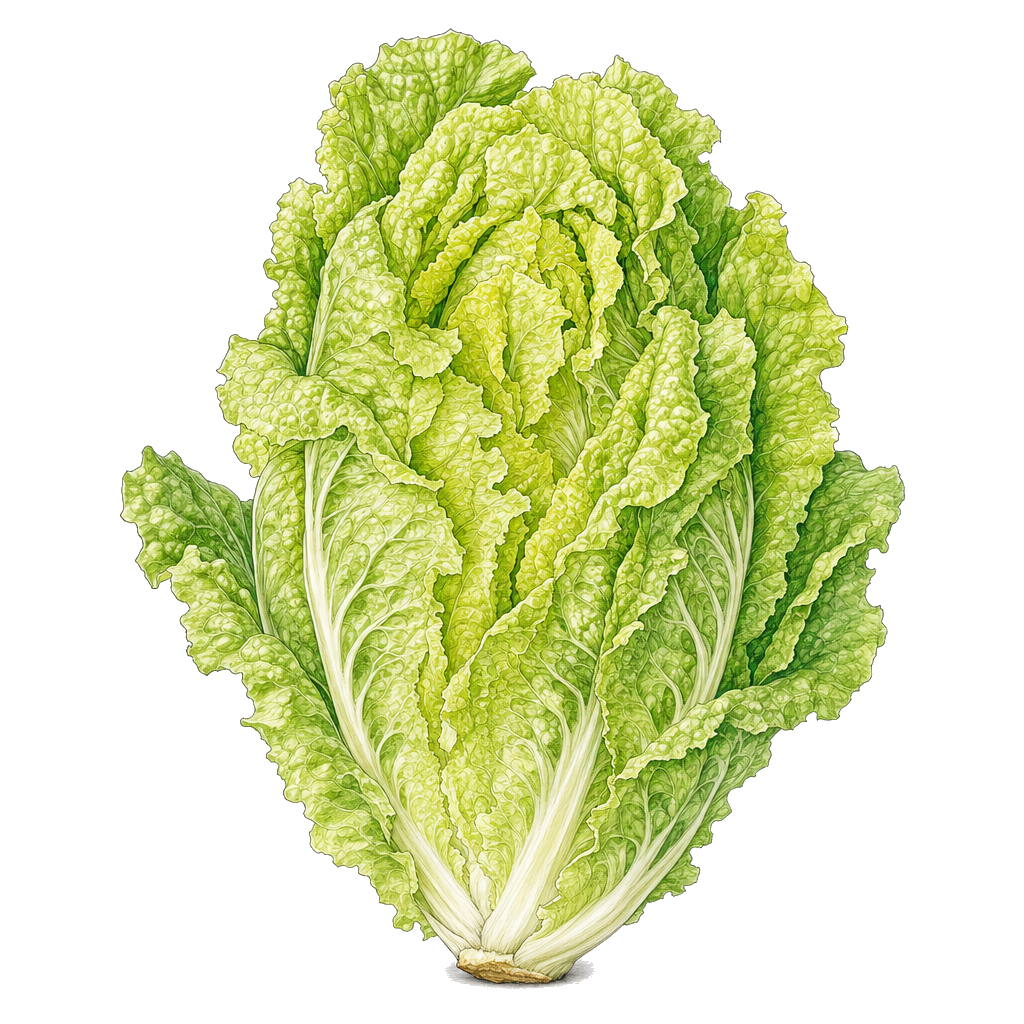
Long Standing Batavian is a classic summer-crisp (Batavian) lettuce prized for its large, upright heads with thick, blistered, crunchy light-green leaves. It is rated among the most bolt-resistant Batavian varieties, making it an excellent choice for late-spring and summer sowings. A reliable open-pollinated variety suited to both covered and outdoor cultivation.
United States (Kokopelli Semences, mid-season variety)
minimal
Root architecture
fibrousmixed growth
Depth
20–45 cm
typical 30 cm
Spread
20–35 cm
Growing profile
Germination
Days
3–7
Ideal °C
18°
Range °C
15–21
Seed to transplant
3–4weeks
Days to harvest
60–75days
from transplantHarvest window
14 days
Picking
Single harvest
Seasonality
Sow
springsummer
Grow
springsummerautumn
WinterFrost sensitive
low confidenceKokopelli Semences catalogue (sowing window Feb–Sep, germination 15–21°C); days-to-harvest estimated from Batavian lettuce species norms
Flavor pathway activity
Each pathway is a biological "assembly line" inside the plant that produces specific flavor compounds. Higher activity = more of that flavor in the fruit.
Terpene Biosynthesis (MEP pathway)55%
Lipoxygenase (Green Leaf Volatile) Pathway55%
Carotenoid Biosynthesis45%
Bolting / Flowering-Time Control75%
Leaf Texture & Cell-Wall Architecture65%
Key figures
Bolting Resistance
Très élevée
Head Type
Grande, dressée, vert clair
Sowing Window
Fév–Sep
Plant Spacing
30 × 30 cm
Sensory profile
low
Sweet
low
Acid
low
Umami
Dominant notes
fresh greencrispmildslightly herbal
Green / Vegetal
6
Herbal
3
Texture
8
Sweet
2
Aroma compounds
No GC-MS volatile data exist for Long Standing Batavian specifically. Aroma compounds are estimated from species-level studies on L. sativa (cv. Salinas), which identified (E)-β-caryophyllene and caryophyllene oxide as dominant MJ-elicited terpenes and lipoxygenase-derived C6 aldehydes as key fresh-green contributors. Confidence is low for all compounds.
(E)-β-caryophyllene
Woody, spicy, clove-like herbal note
Caryophyllene oxide
Earthy, woody, slightly camphoraceous
(E)-β-ocimene
Fresh, floral, light herbaceous
Hexanal
Grassy, fresh-cut green, characteristic of broken leaf cells
(Z)-3-hexenal
Sharp, intensely green, freshly cut leaf
Ideal soil conditions
Batavian lettuce prefers a loose, well-draining, fertile soil with moderate moisture retention. The ideal pH of 6.0–6.5 optimises availability of calcium (for crunchy leaf texture), iron, and manganese. Heavy or waterlogged soils dramatically increase the risk of tip-burn and Botrytis.
pH
6.0–6.5
Texture
Sandy loam to loam
Organic matter
3–5%
Moisture
Consistently moist, not waterlogged
Drainage
Well-draining
Nitrogen (N)
Moderate–high (120–150 kg/ha)
Calcium (Ca)
Adequate (>1000 mg/kg soil)
Recommended microbial interventions
Rhizophagus irregularisSUPPORT
Wider root network improves phosphorus uptake and drought tolerance, supporting faster head development in warm, dry conditions.
Bacillus subtilisBOOST
Reduces risk of grey mould (Botrytis cinerea) and downy mildew on the dense Batavian head, especially under humid conditions.
Trichoderma harzianumSUPPORT
Suppresses soil-borne diseases (Pythium, Rhizoctonia) that damage the shallow lettuce root system, improving establishment and uniformity.
Bacillus amyloliquefaciensSUPPORT
Stimulates root growth and leaf carotenoid content, potentially improving the nutritional value of harvested heads.
These are variety-level recommendations - they apply to all Long Standing Batavian plants. Your soil diagnostic will refine this further based on your specific conditions.
0% complete
Analyze your soil to optimize growing conditions
Re-run AI research and rebuild this variety profile
4 callouts en français — récolte, poids, durée, sucre
Botanical icon · garden scene · 3D splat — generate all in one click
Or check "+ 3D splat" above to chain it automatically after image generation